
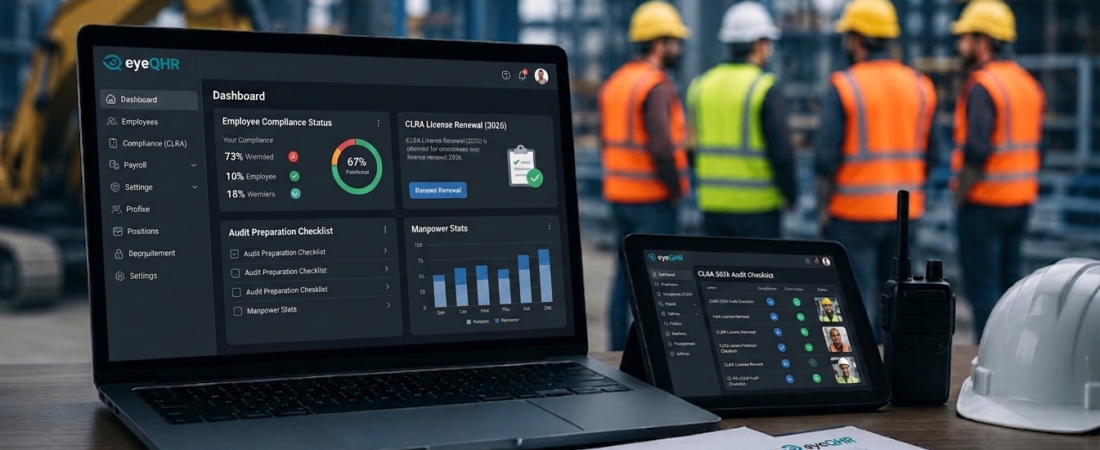

How Small and Mid-Sized Businesses Can Save Time and Costs with an All-in-One HRMS?
Running a small or mid-sized business in India means wearing many hats. The founder is often the sales head, the…
Read More

How Automated Payroll Software Eliminates Salary Errors and Saves Time
The average Indian SME running payroll manually makes between 3 and 8 errors per month. Some are minor. Some are…
Read More

I’m the Founder, So Why Am I Still Doing HR? Here’s What It Cost Me
I started managing HR myself because it seemed simple. Twelve employees. A salary sheet. A leave tracker. Some TDS calculations…
Read More

10 Signs Your Business Has Outgrown Excel for HR and Payroll Management
Every business starts on Excel. It is free, familiar, and flexible enough for a team of five. But there comes…
Read More
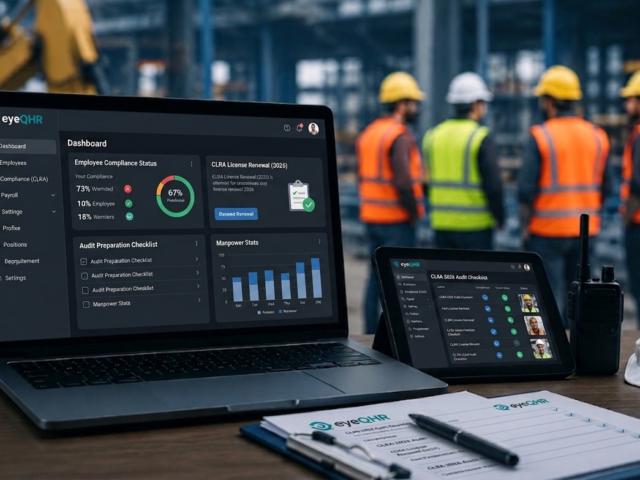
CLRA Compliance in 2026: The Practical Checklist Every Manpower Contractor Must Follow Before the Next Inspection
A labour inspector can walk into any client site where your workers are deployed. Today, without notice. What they find…
Read More

Payroll Software for Contract Workers: How Bulk Processing Works and Why It Matters for Compliance
If your payroll team spends three days every month calculating wages for 200 contract workers in a spreadsheet, the problem…
Read More
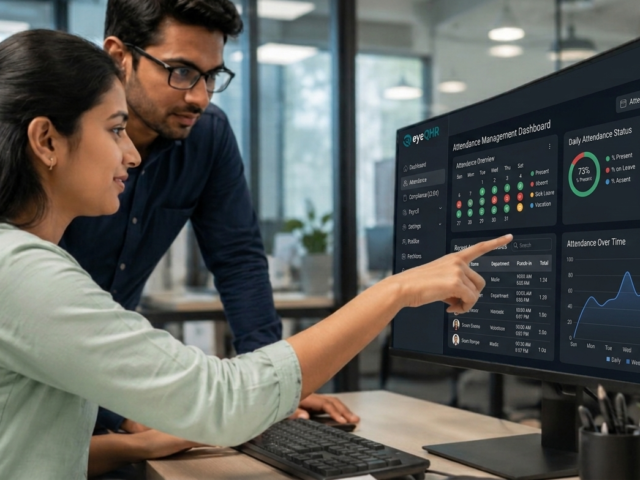
Attendance Management for Manpower Companies: Why Your Current System is Failing You and What to Do About It
A security company in Jaipur was managing attendance for 340 guards across 22 client sites using WhatsApp messages and paper…
Read More

Why Contract Labour Management Software is Non-Negotiable for India’s Manpower Industry in 2026
If you run a manpower company, staffing agency, or security firm in India, you already know that managing contract labour…
Read More

Attendance Management for Manpower Companies: Why Your Current System is Failing You and What to Do About It
A security company in Jaipur was managing attendance for 340 guards across 22 client sites using WhatsApp messages and paper…
Read More
Daily Wage and Overtime Calculation for Contract Workers in India: Complete Formula Guide
Calculating daily wages and overtime for contract workers sounds straightforward until you actually sit down to do it. The daily…
Read More
Why Contract Labour Management Software is Non-Negotiable for India’s Manpower Industry in 2026
If you run a manpower company, staffing agency, or security firm in India, you already know that managing contract labour…
Read More
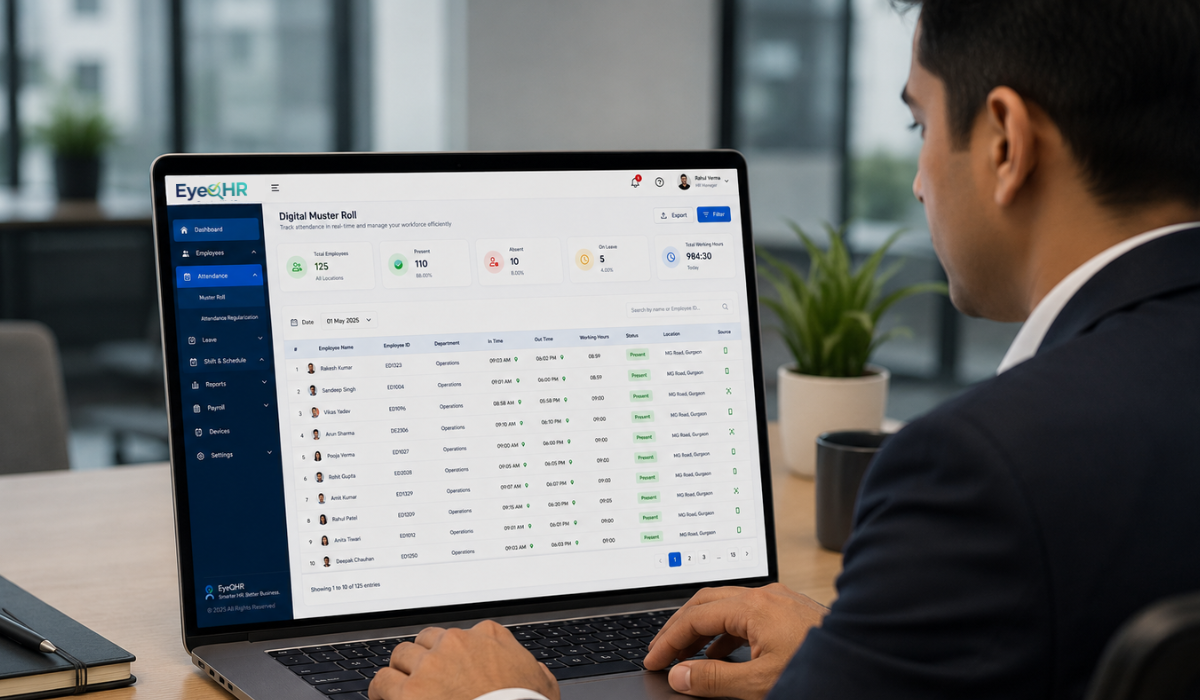
Muster Roll Format India: What It Is, What Goes in It, and How to Maintain It Correctly
Every manpower company, labour contractor, and staffing agency that deploys workers under the Contract Labour (Regulation and Abolition) Act, 1970…
Read More

PF and ESI for Contract Workers in India: A Practical Guide for Manpower Companies
Provident Fund and ESIC are among the most commonly misunderstood compliance obligations for manpower companies. Not because the rules are…
Read More
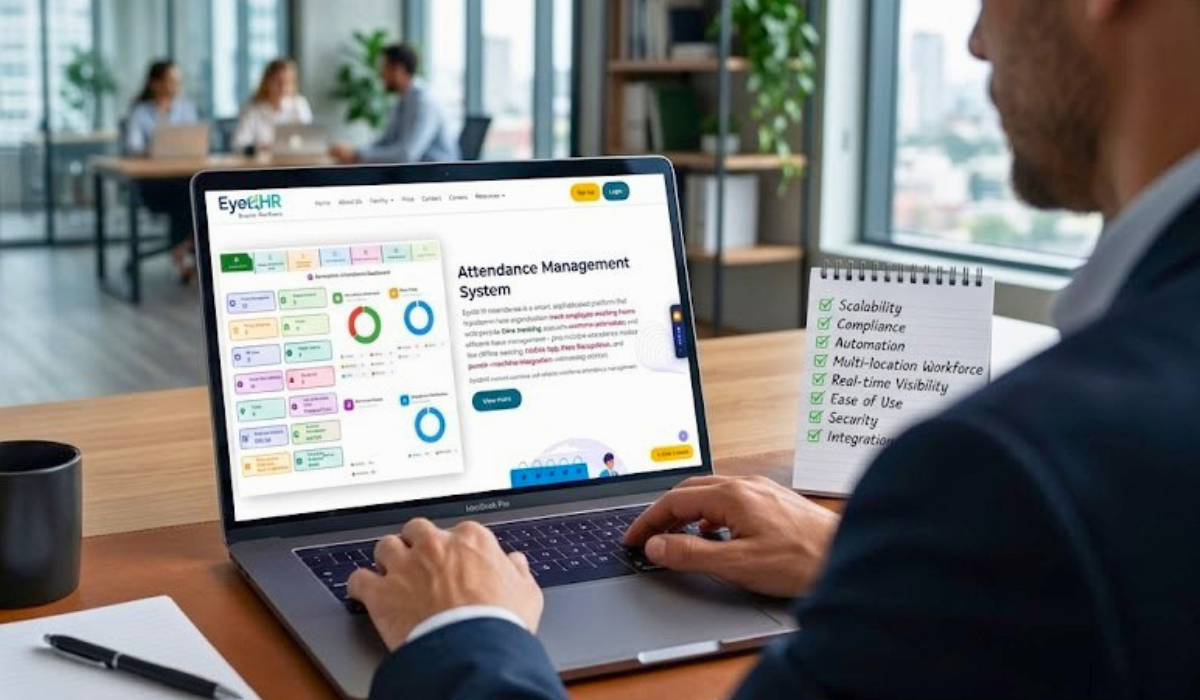
What to Look for in an HRMS for Manpower Companies India 2026: The Complete Buyer’s Guide
Finding the right HRMS for a manpower company in India is a very different exercise from choosing HR software for…
Read More

How to Run Bulk Payroll for Contract Workers in India: A Step-by-Step Guide
Running payroll for a fixed workforce of salaried employees is relatively straightforward. Running bulk payroll for contract workers is a…
Read More

Field Employee Attendance Tracking: A Complete Guide for Manpower, Security, and Facility Management Companies
Ask any HR manager at a manpower company what their most time-consuming problem is, and attendance will come up in…
Read More

Minimum Wage India 2026: State-Wise Updated Rates and Daily Wage Calculation Guide
Minimum wage compliance is one of the most consistent pain points for manpower companies, staffing agencies, and any business that…
Read More

CLRA Compliance Checklist for Manpower Companies in India: What You Must Get Right in 2026
Every manpower company in India that deploys contract workers has legal obligations under the Contract Labour (Regulation and Abolition) Act,…
Read More